
إجمالي الطلب(شامل ضريبة القيمة المضافة)



 التحول إلى الدفع
What Makes a Furniture Brand Worth Collecting? Heritage, Craftsmanship & Legacy Explained
.webp)
So, what makes a furniture brand collectible in the first place and how does one tell a considered investment from a passing trend dressed up with good marketing?
The answer usually begins with material honesty. A collectible piece rarely hides behind a printed finish or a synthetic shortcut.
The Luxor console with mirror by Giorgio Collection is a fair example of this principle at work: its bevelled Namibian oyster marble top and Makassar ebony legs are finished in satin titanium stainless steel.
Nothing here is decorative for its own sake and every material choice signals a brand willing to build slowly rather than cheaply, which is precisely the kind of attention to materiality and craft that separates a heritage furniture brand from a trend-led one.
Provenance matters just as much as material. A brand worth collecting tends to carry a recognisable design language across an entire range, not just a single hero piece.
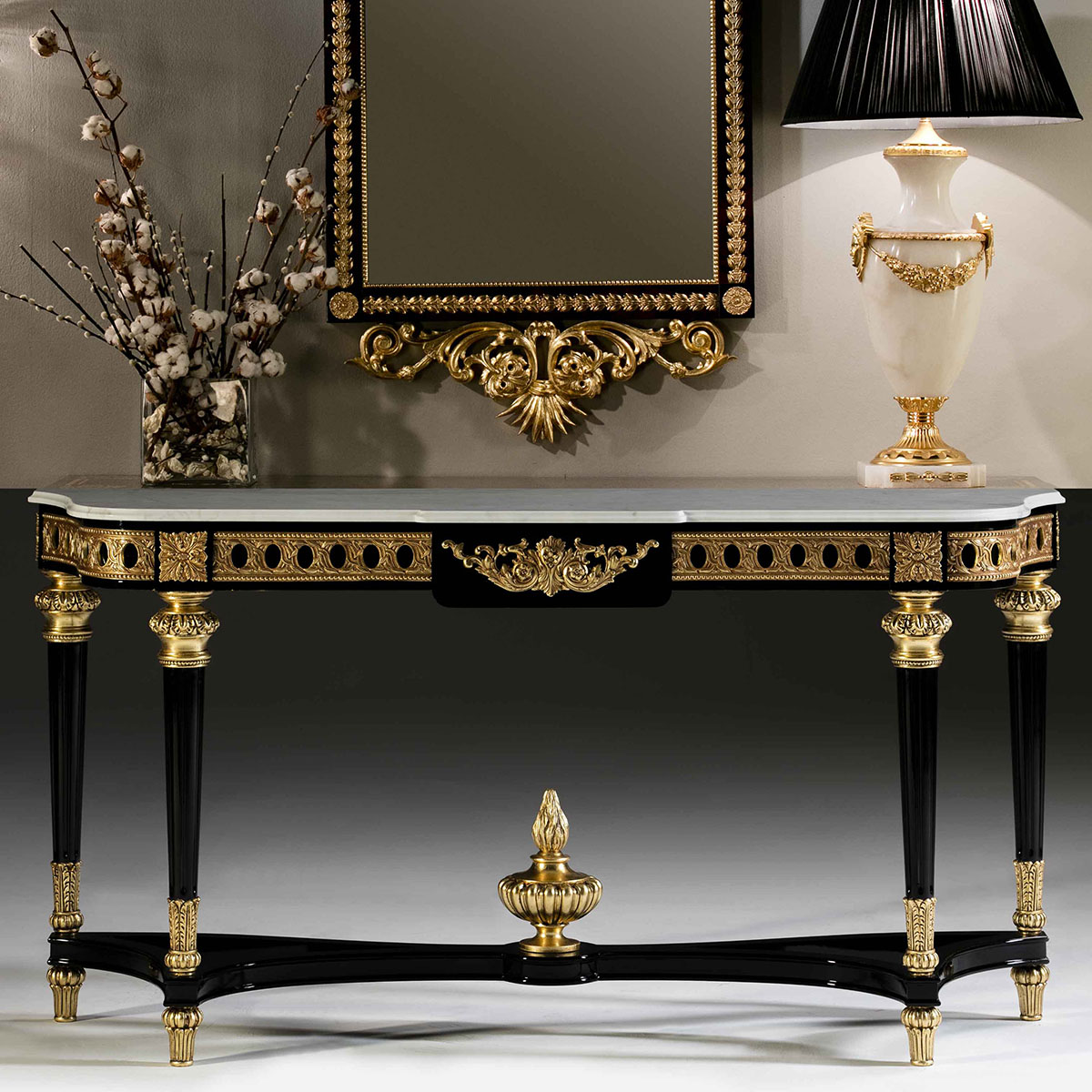
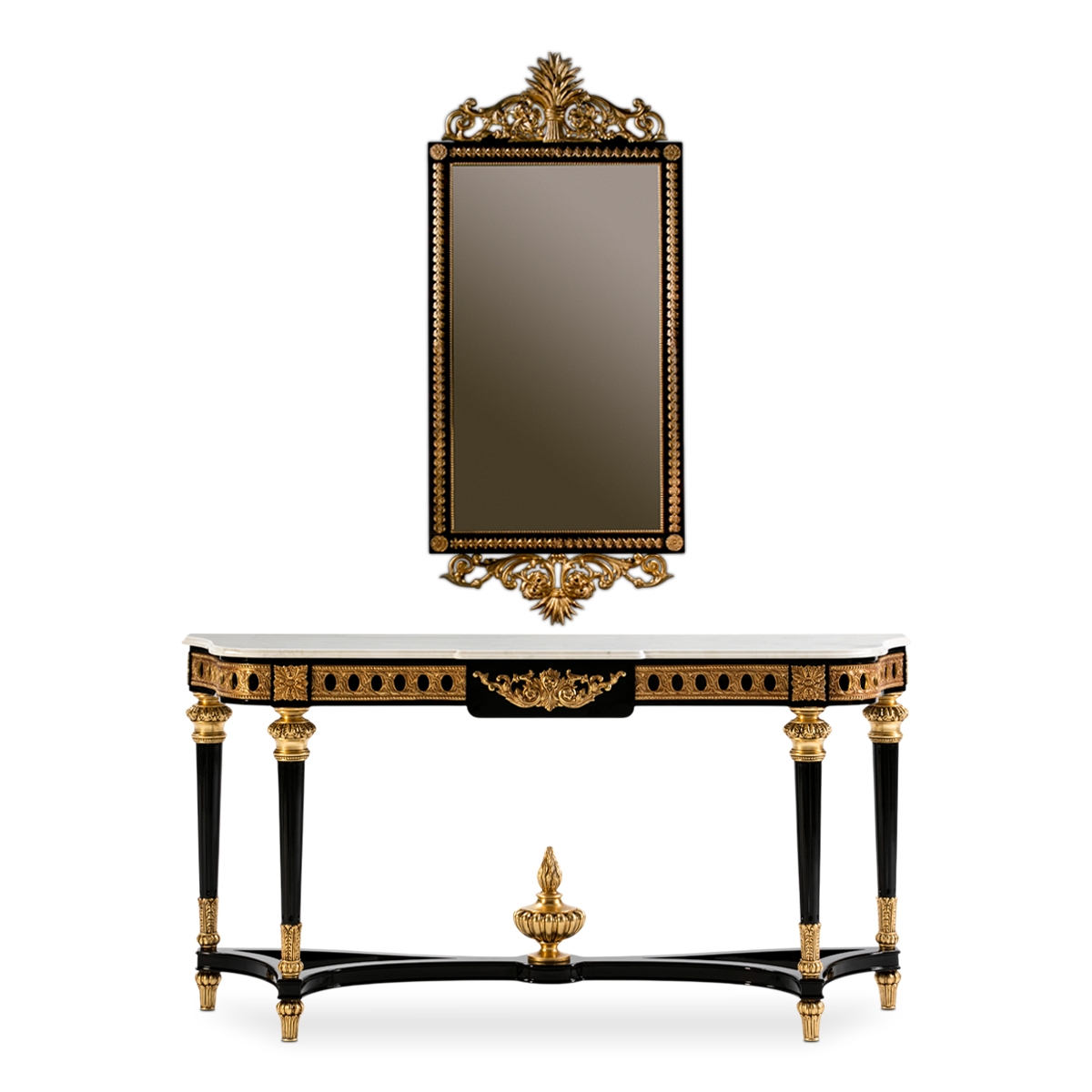
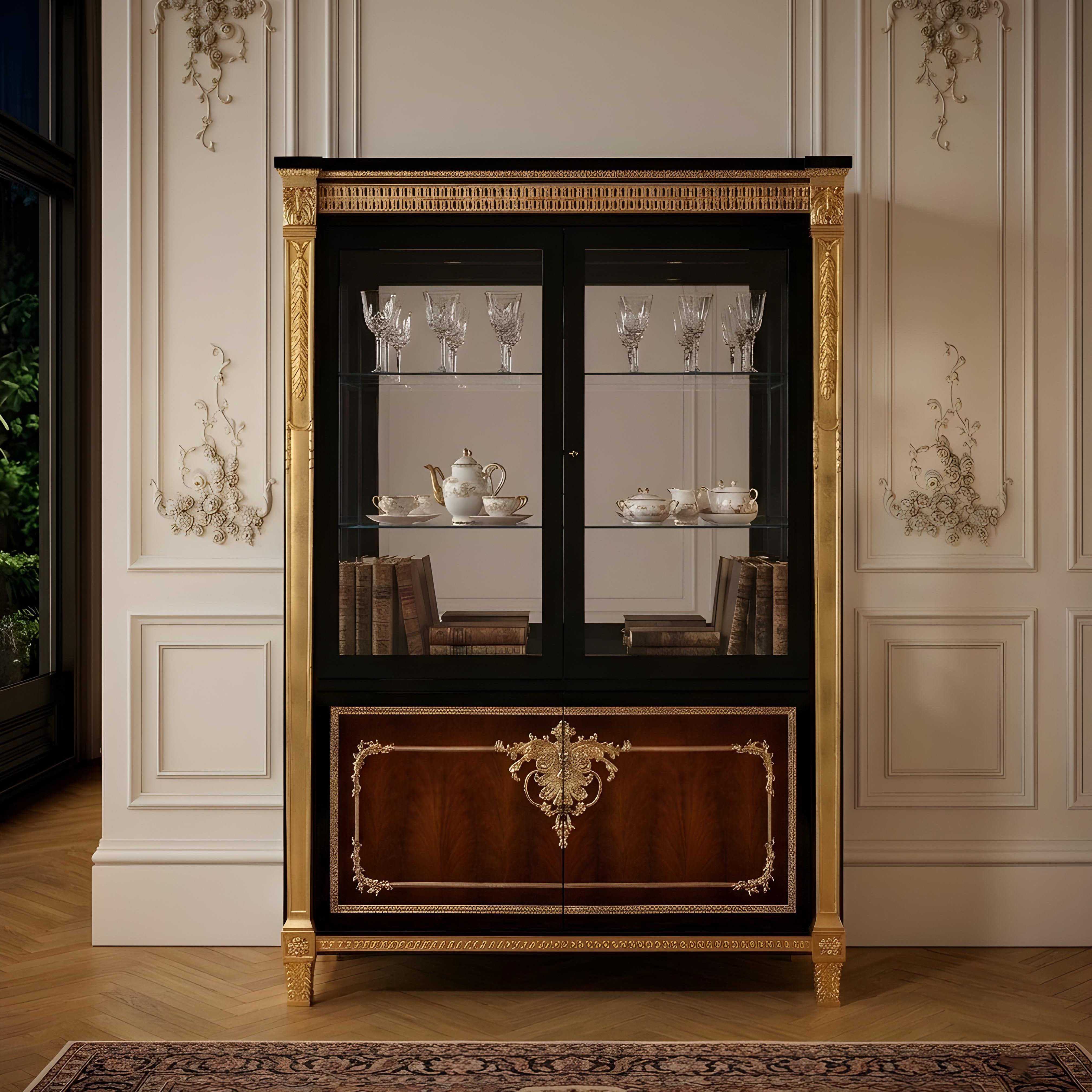
Mariner's Singular Pieces console and mirror, finished in deep black lacquer with hand-carved detailing and old gold leaf, sit comfortably alongside the same house's Athens cabinet, where wood, brass and marble are brought together with the same unmistakable hand.
This consistency of vision across scale, from a mirror to a cabinet, is one of the clearest hallmarks of design lineage and it is what allows collectors to identify authentic furniture brands at a glance, long before they check a signature or a provenance certificate.
Lighting, too, has quietly become a considered category within collectible furniture.
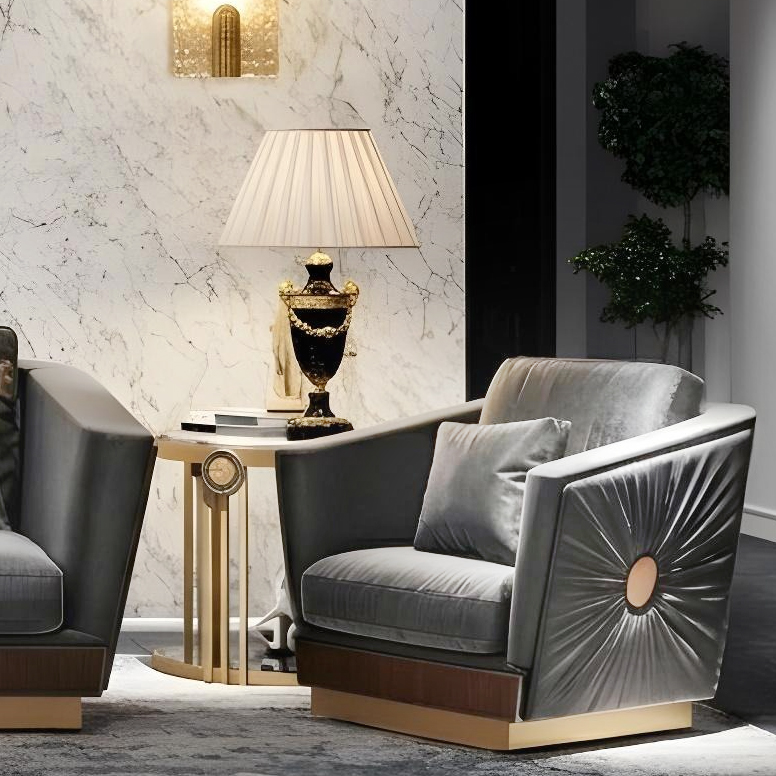
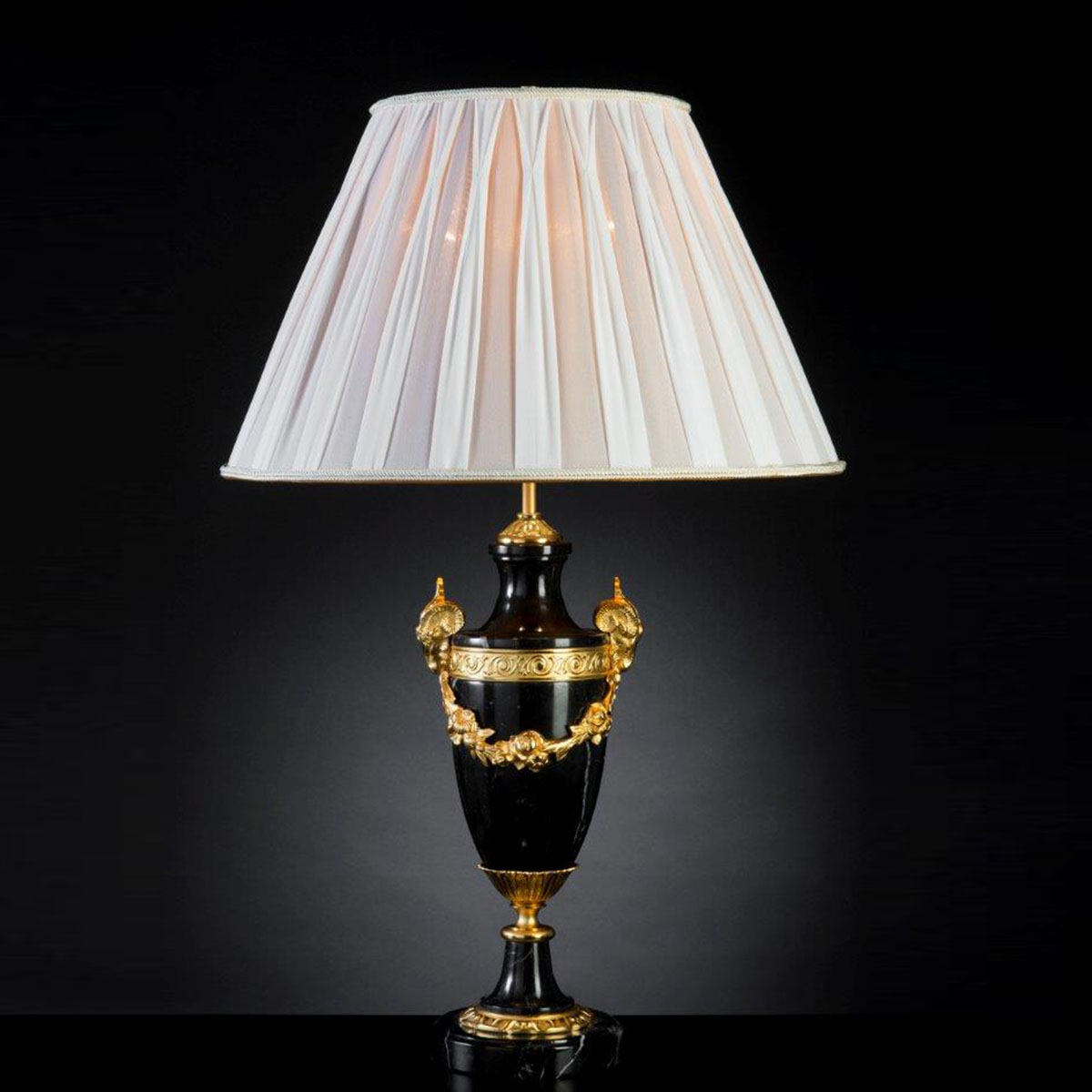
The Luxor Ramses medium lamp, in marbled Venetian Murano glass and the Mariner's Black Luxe table lamp, with its antique gold plating, both do the quiet work of holding a room's mood steady for years rather than a season.
Neither depends on a trend cycle to remain relevant, which is ultimately what makes a furniture brand collectible rather than merely fashionable and a useful marker for anyone furnishing with the next decade in mind.
Dining pieces reveal the same principle from another angle, since a table meant to gather generations has to be built for exactly that.
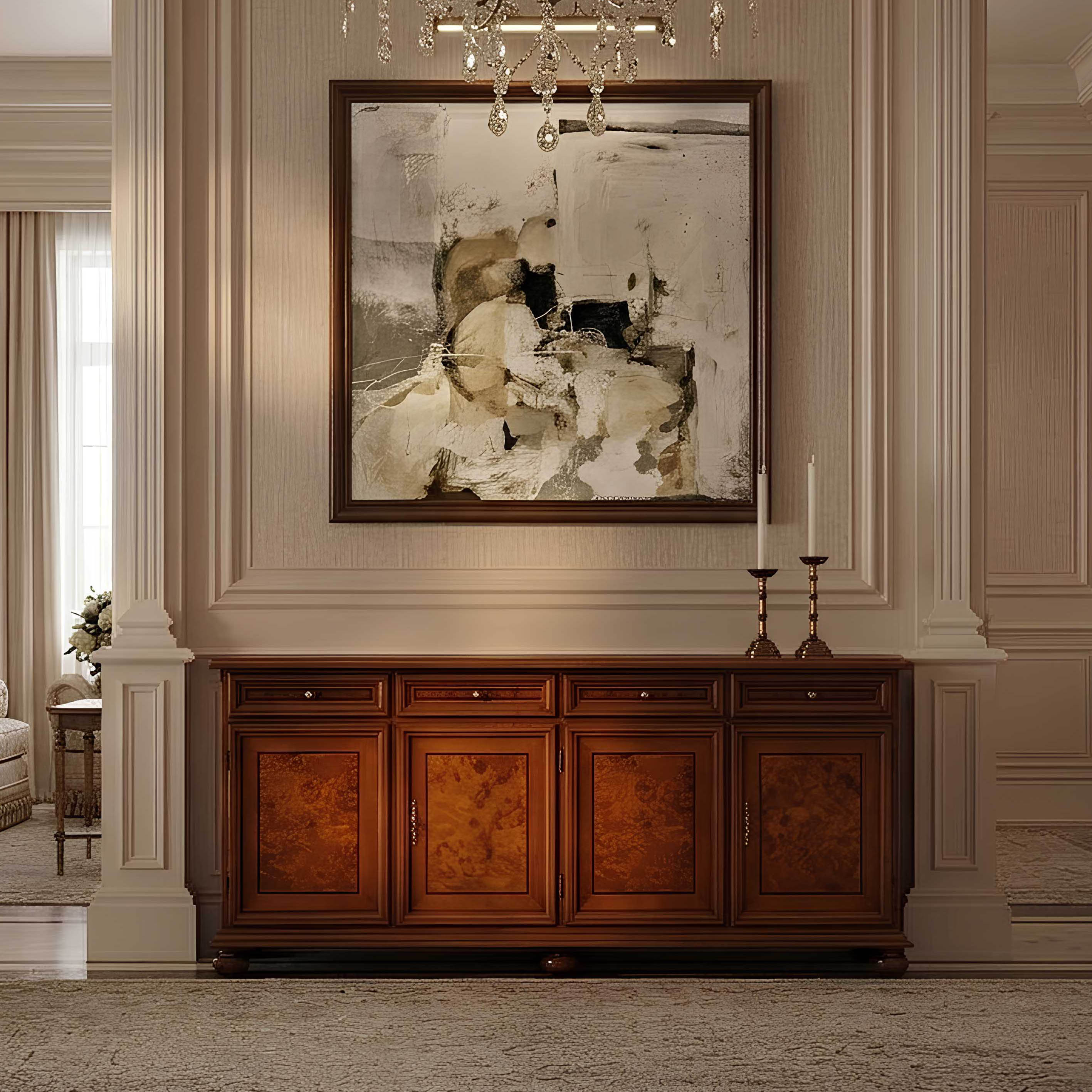
Scappini's Lazy Susan dining table, in rich walnut with a rotating centre for shared meals and the accompanying 4-door sideboard, built in the same Italian wood tradition, are designed as a considered pair rather than a coincidence – the kind of pairing that ages into family ritual rather than furniture.
The marble and wood found across these pieces are, in their own right, part of why they retain value long after the showroom. What separates collectible brands from trend-driven companies, then, is rarely a single dramatic feature.
It is the sum of material honesty, a consistent hand across an entire collection and a willingness to build for a generation rather than a season.
That, more than any single piece, is what makes a furniture brand collectible and worth the considered buy.
التشكيلة المختارة


بوفيه ريفايند رباعي الأبواب – Scappini

كونسول مع مرآة سينغولار بيسز – Mariner
قد يلفت إنتباهك أيضًا
قد يلفت إنتباهك أيضًا