
Order Total(Inclusive of VAT)



 Proceed to Checkout
Candle Holders: Styling Ideas for a Warm, Inviting Home

This becomes more apparent when several vases are brought together. Three pieces of equal size can feel static while a collection of different heights and forms has a more natural rhythm. Equally, a large sculptural vase may need nothing beside it.
The rules of vase styling are useful up to a point. Proportion, visual weight and the space around each object usually tell you more than a prescribed number ever could.
The rule of three is really about composition
The rule of three appears often in interior styling because an odd number creates a natural centre and allows the eye to move between objects. With vases, however, three identical pieces placed neatly in a row can still feel rigid.
Variation makes the grouping more interesting. A tall narrow vase might sit beside a lower rounded form, with a smaller piece completing the arrangement. Their heights do not need to rise in perfect steps and their finishes do not need to match.
The Merritt vase by Uttermost, with its asymmetric ceramic form and matte white finish, has enough character to become the dominant shape within a group. A smaller vase can sit nearby without competing with its scale.
Two vases can work just as well. So can one. The rule of three is a way of understanding balance rather than a requirement for every surface.
Fewer pieces can give a room more
The size of the furniture has a direct bearing on the accessories placed upon it. A long console table offers generous surface area, although filling that length with small decorative pieces can make even a substantial piece of furniture appear busy.
Larger forms reduce the need for quantity. One sculptural vase at one end of a console can be balanced by a lamp, artwork or another object elsewhere in the composition. Where more height is needed, a taller vase can draw the eye upwards without adding several new accessories.
The Feline large vase is an example of a vase whose scale can carry more visual weight within an arrangement. At floor level, the Perryman large floor vase moves the idea beyond tabletop styling altogether, introducing form and height where a smaller accessory would simply disappear.
This is also where large floor vases can be useful in rooms with generous proportions. Their scale allows them to relate to furniture and architecture rather than to the smaller objects on a table.
Negative space belongs to the arrangement
Negative space is sometimes interpreted as simply leaving part of a surface empty. There is more to it than that.
The space between objects determines whether their individual silhouettes remain visible. Place two rounded vases too close together and their outlines begin to merge. Give them some distance and each form becomes clearer.
The same applies around the outside of a grouping. A vase positioned against the very edge of a console reads differently from one with enough surface visible around its base. The latter has room to register as an object.
There is no percentage of a tabletop that must remain empty. The amount depends on the visual weight of what is already there. A large ceramic vase with a broad body needs more breathing room than a small piece of clear glass.
On coffee and side tables, this becomes especially important. Keeping part of the surface clear preserves its function and stops decorative objects from dominating the furniture beneath them.
Height does not always require another vase
A console arrangement can feel too low even when there are already enough objects on it. Adding another vase is not always the answer.
A few long stems can extend the vertical line of an existing vase while keeping the surface itself relatively spare. Dried stems and faux botanicals work well where a more architectural shape is wanted. Books can also alter the height of a smaller object without introducing another silhouette.
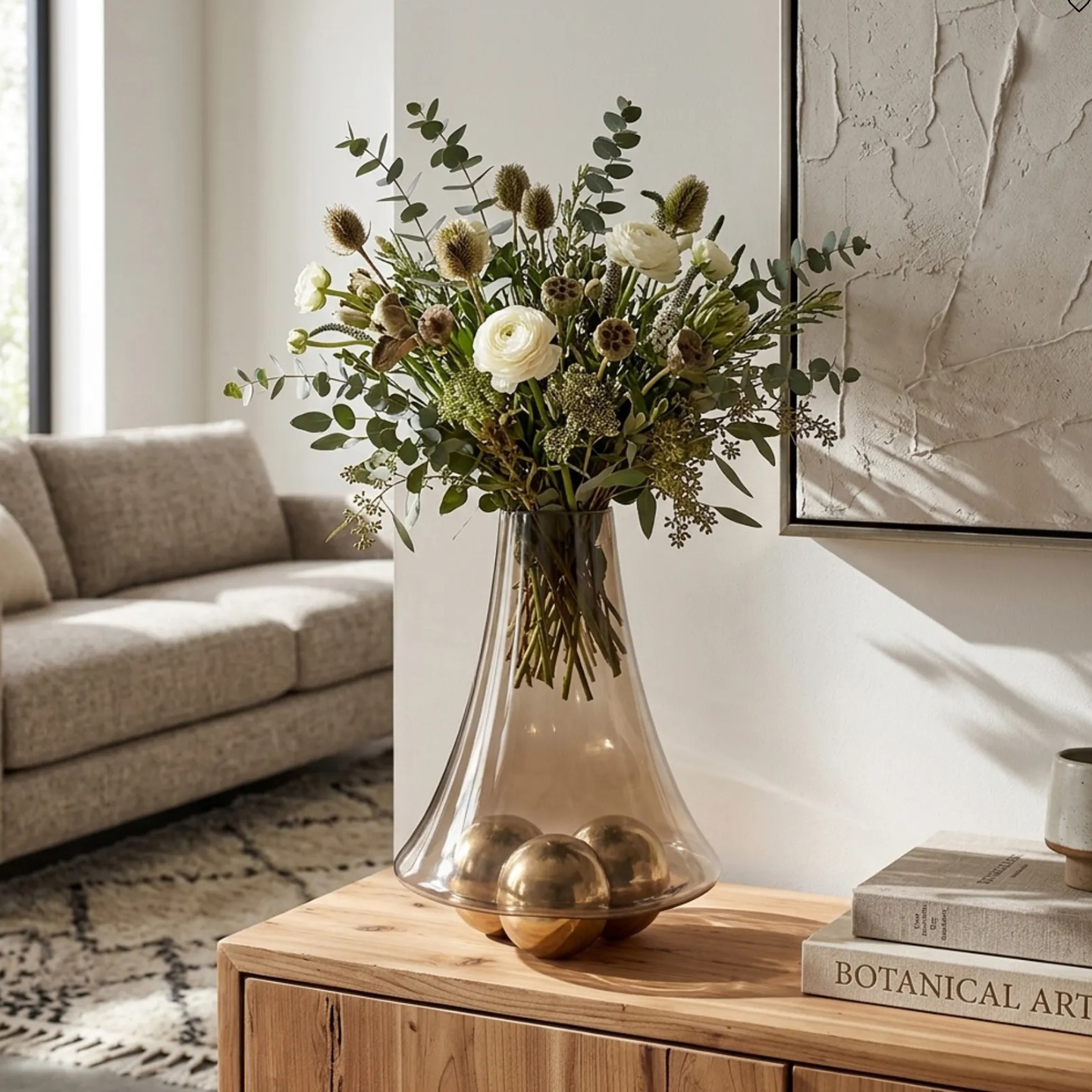
The vessel determines what works inside it. A narrow neck naturally gathers stems into a tighter line while a wider opening allows them to spread. This relationship between vase shape and florals is one area competitors discuss but it is worth retaining because it materially changes the finished proportions of an arrangement.
Florals should also respond to the vase rather than conceal it completely. With a ceramic flower vase chosen for its shape or surface, a restrained arrangement of stems allows both elements to remain visible.
The dining table changes the rules
A dining table is viewed from both standing and seated positions. A centrepiece that appears perfectly proportioned in an empty room can become cumbersome once the table is set.
Long tables can carry several vases but repetition need not mean identical pieces. A series of smaller flower vases with related materials or colours can run along the table while remaining low enough for conversation.
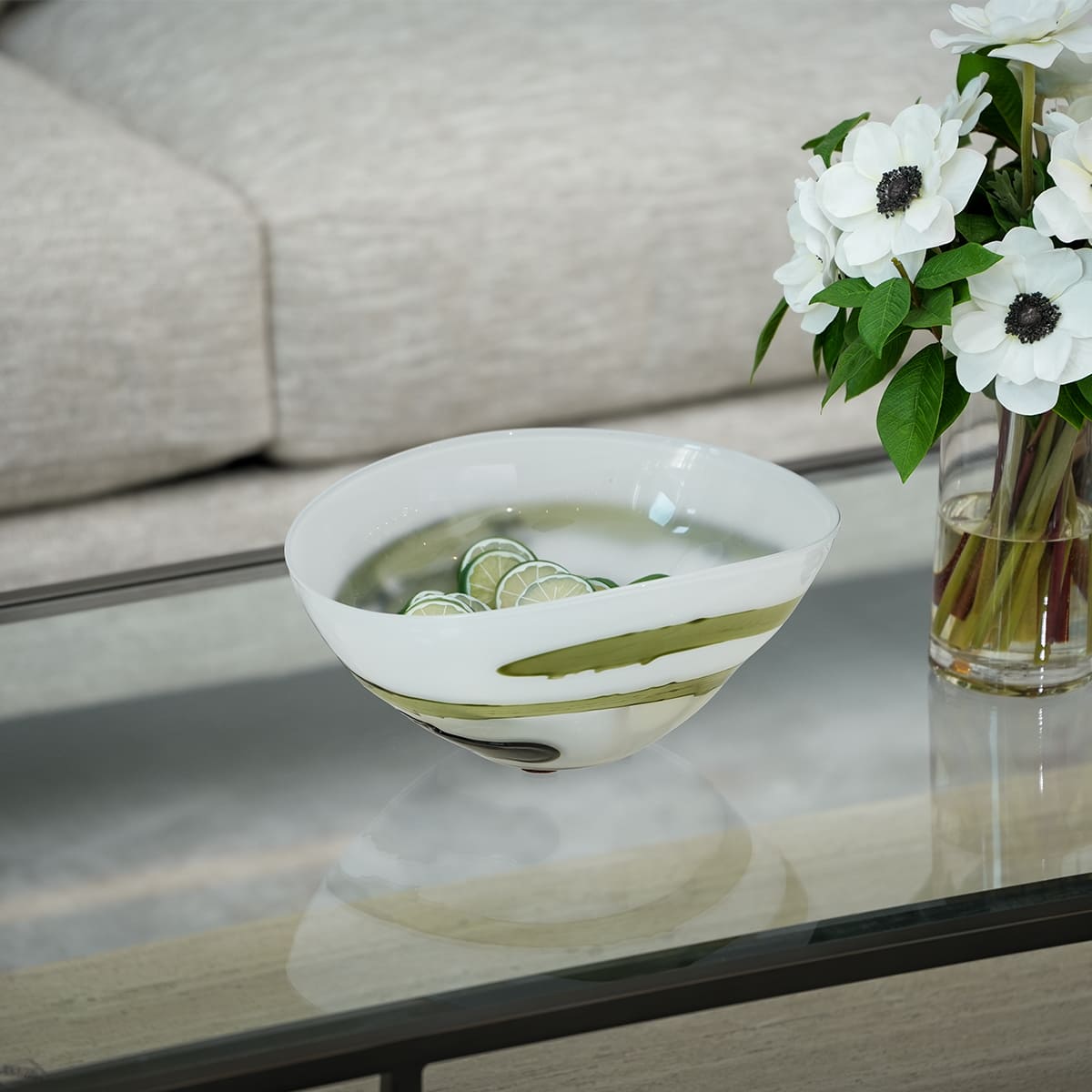
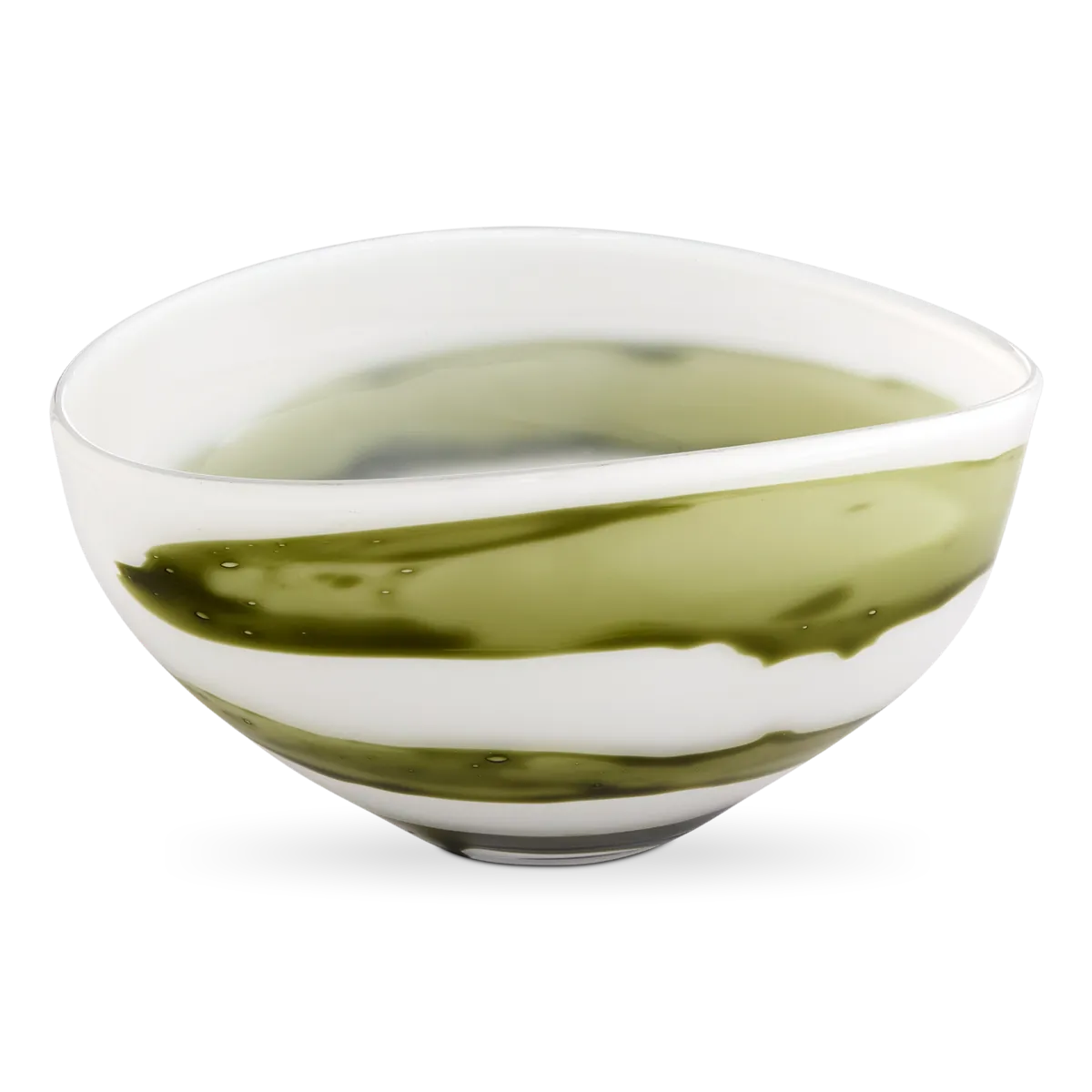
For a round table, one central composition usually has greater clarity. A broad vessel or bowl such as the Denali bowl can establish a lower centrepiece where a tall arrangement would interrupt sightlines.
Minimalist floral design can be especially effective here. A few stems in a vase with a strong silhouette leave more of the table visible and allow the flowers to retain their individual shape.
A vase does not always need flowers
Some decorative vases are more interesting empty. An unusual opening, sculptural profile or distinctive ceramic finish can lose definition beneath a full arrangement of flowers.
The Elina cut-out vase belongs naturally to this category, where the negative space within the design is part of its form. Pieces such as the Seymour 3D printed vase can similarly be read for their surface and silhouette before anything is placed inside them.
This distinction is useful when grouping vases. One may hold flowers while the others remain empty, allowing the arrangement to have variation without becoming visually dense.
Across consoles, dining tables, bedside tables and dressers, the vase should have a reason to be there even when the flowers are gone. Its proportion, material and form are already part of the room.
Explore vases and centerpieces or discover more decorative ideas in Love is in the décor: Valentine’s Day picks for your home.
Featured collection



YOU MAY ALSO BE INTERESTED IN
YOU MAY ALSO BE INTERESTED IN