
Order Total(Inclusive of VAT)



 Proceed to Checkout
How to Choose a Dining Table, Chairs and Sideboard That Work Beautifully Together
.webp)
There is a particular kind of confidence that comes from a dining room where everything simply belongs. The table anchors the room, the chairs invite you to sit a while longer and the sideboard quietly holds the rest together. Getting there is not about buying a matching three-piece set off a showroom floor. It is about understanding how to choose dining room furniture as a considered composition, where each piece earns its place through proportion, material and intent.
Start with the table, not the trend
The table sets the scale for everything that follows, so it deserves the first decision. Begin with the room itself. Measure the space, allow at least 90cm of clearance on all sides for chairs to pull out comfortably and let the shape of the room guide the shape of the table. A long rectangular table suits a formal, elongated dining room and comfortably seats a crowd, while a round table softens a squarer footprint and draws conversation inward.
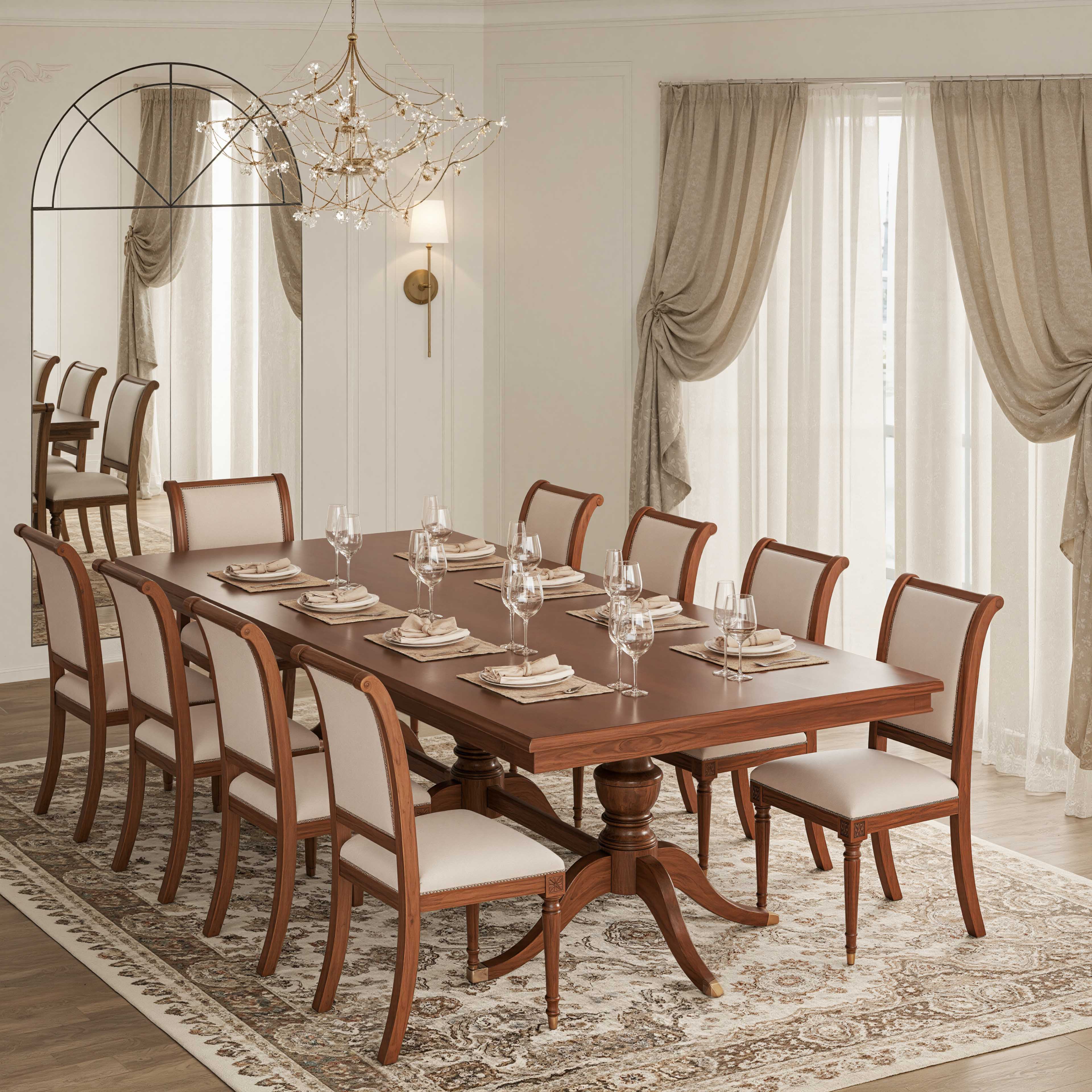
The Feast dining table by Scappini is a case in point. At 300cm and dressed in walnut and dark brown wood, it is built for family dinners that spill into hosting a dozen guests, with an antique Italian character that makes it the natural centrepiece of the room rather than just a surface to eat from. If your dining area is more intimate or forms part of an open plan layout, the Ashlar round dining table by A.R.T Furniture offers a different proposition entirely, its dragged paint finish and sculptural bronze-toned base bringing artisanal texture to a smaller footprint without losing any presence.
Choose chairs for comfort first, then character
A chair that looks striking but sits 43cm from the floor beneath a table with 27cm of clearance will frustrate every guest who tries to use it. As a rule, aim for 25cm to 30cm between the seat and the underside of the tabletop. Beyond the practical, this is where a formal room can afford to relax a little. Dining chairs and a table were never required to match exactly. Coordinating them through a shared wood tone, a consistent metal finish or a common upholstery family creates a far more considered look than a uniform set ever could.
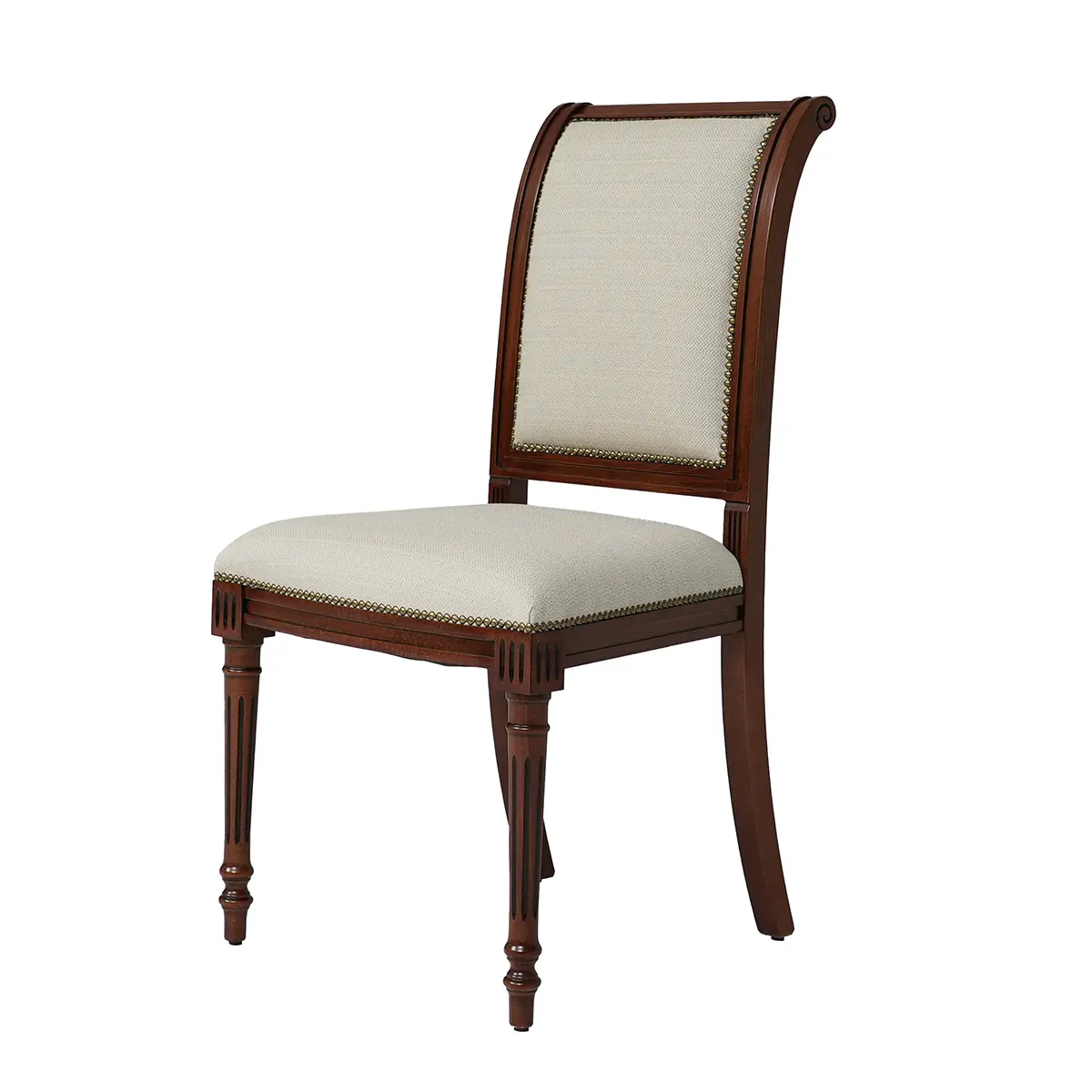
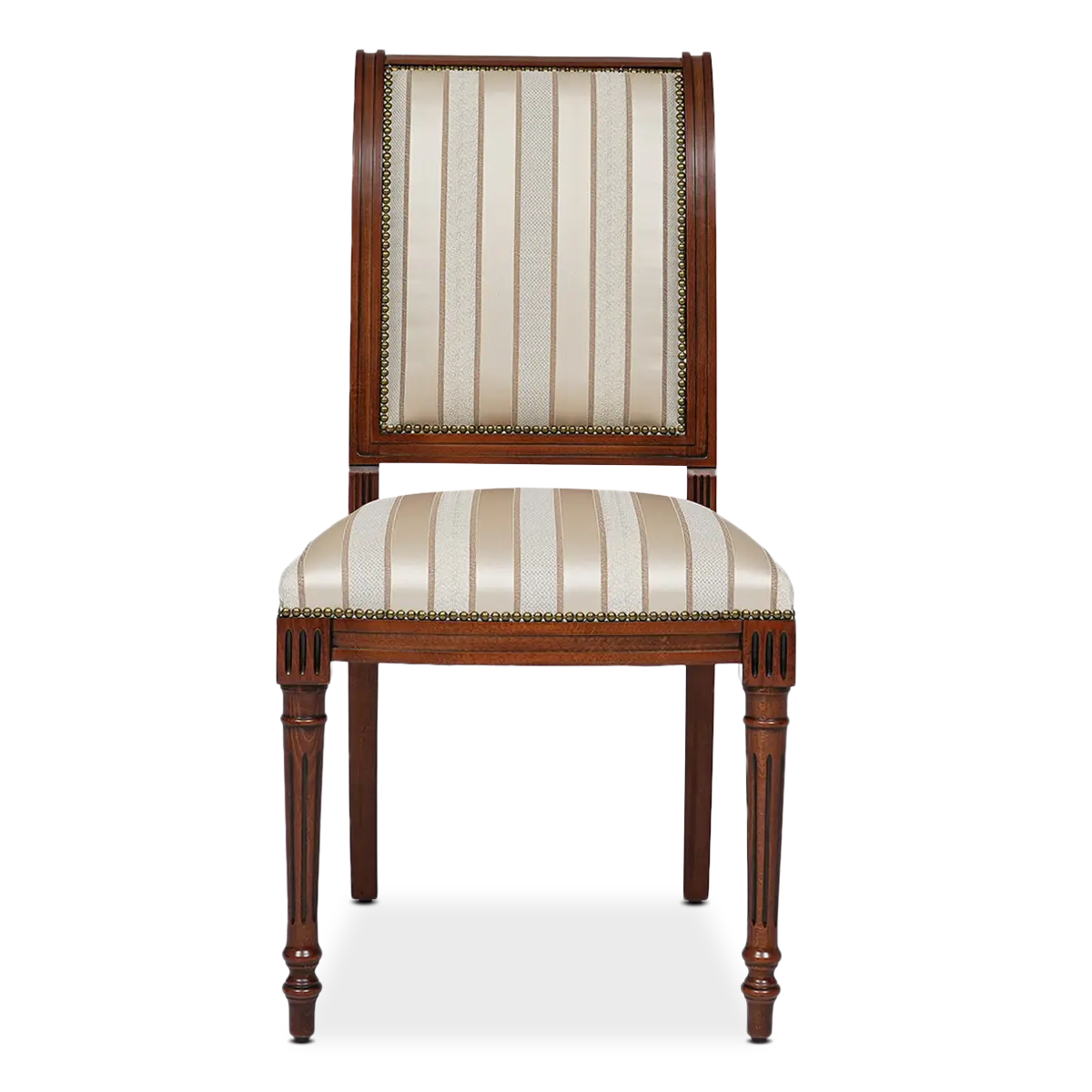
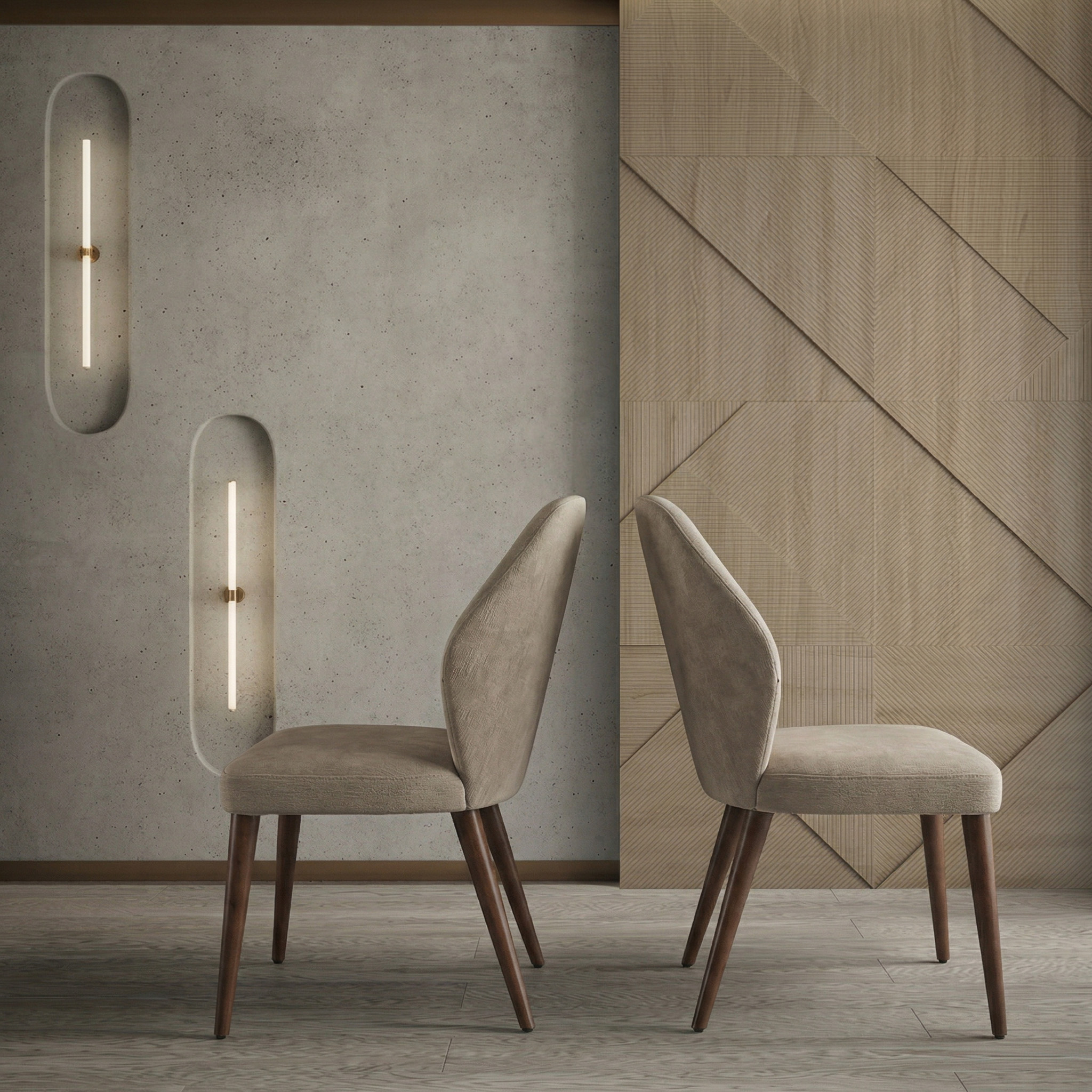
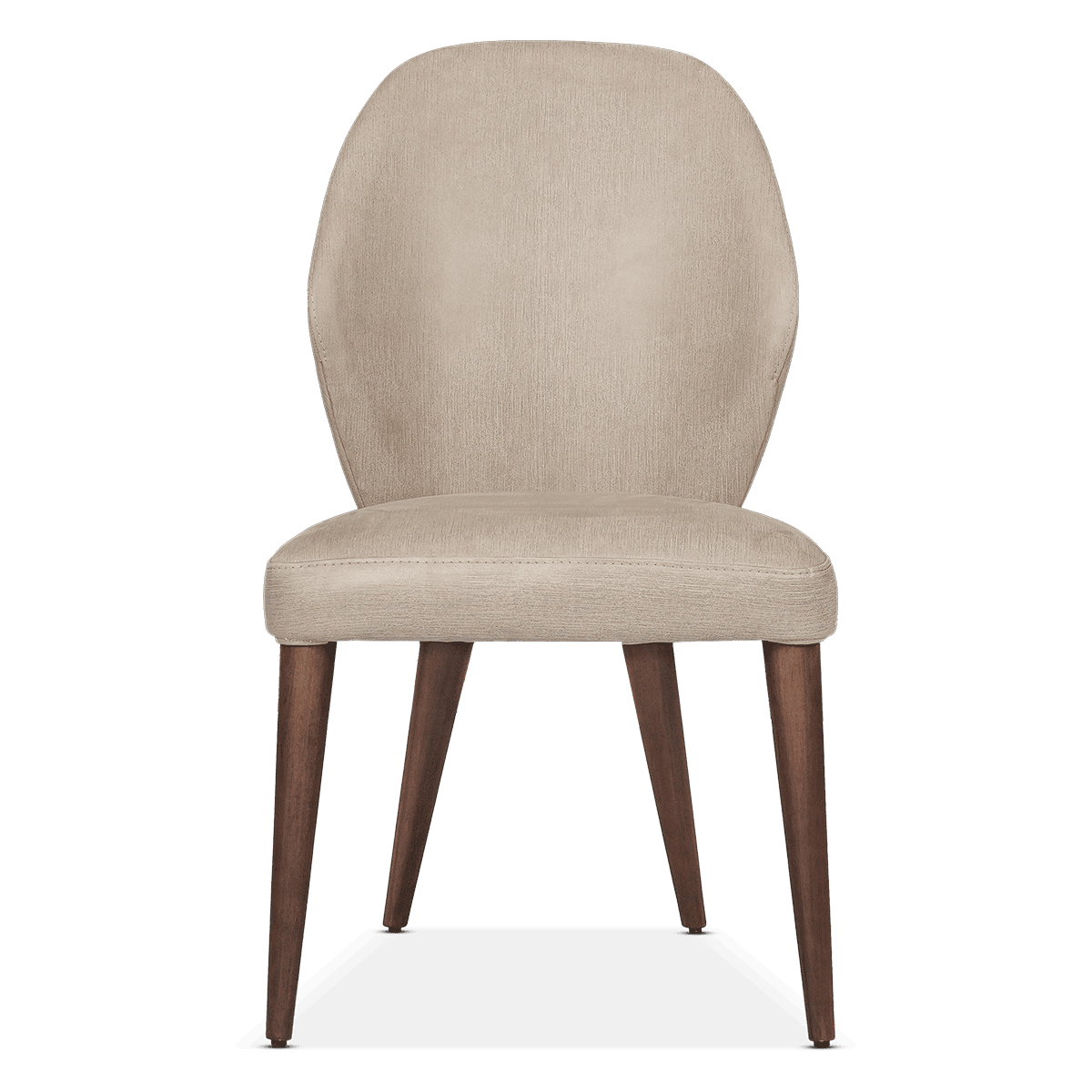
The Tessa chair by Stone International, with its teak walnut legs and Eco Nabuk upholstery, coordinates rather than matches a walnut table, lending the room depth. For a more traditional silhouette, the Jacopo V dining side chair by Sevensedie brings beech wood construction and a carved, classic profile that pairs comfortably with either end of a long table for a head-chair effect. Even the Dynasty dining chair, with its fabric seat and warm wooden frame, shows how introducing one softer, mismatched chair style at either end of a set can add rhythm rather than confusion.
Let the sideboard do more than store
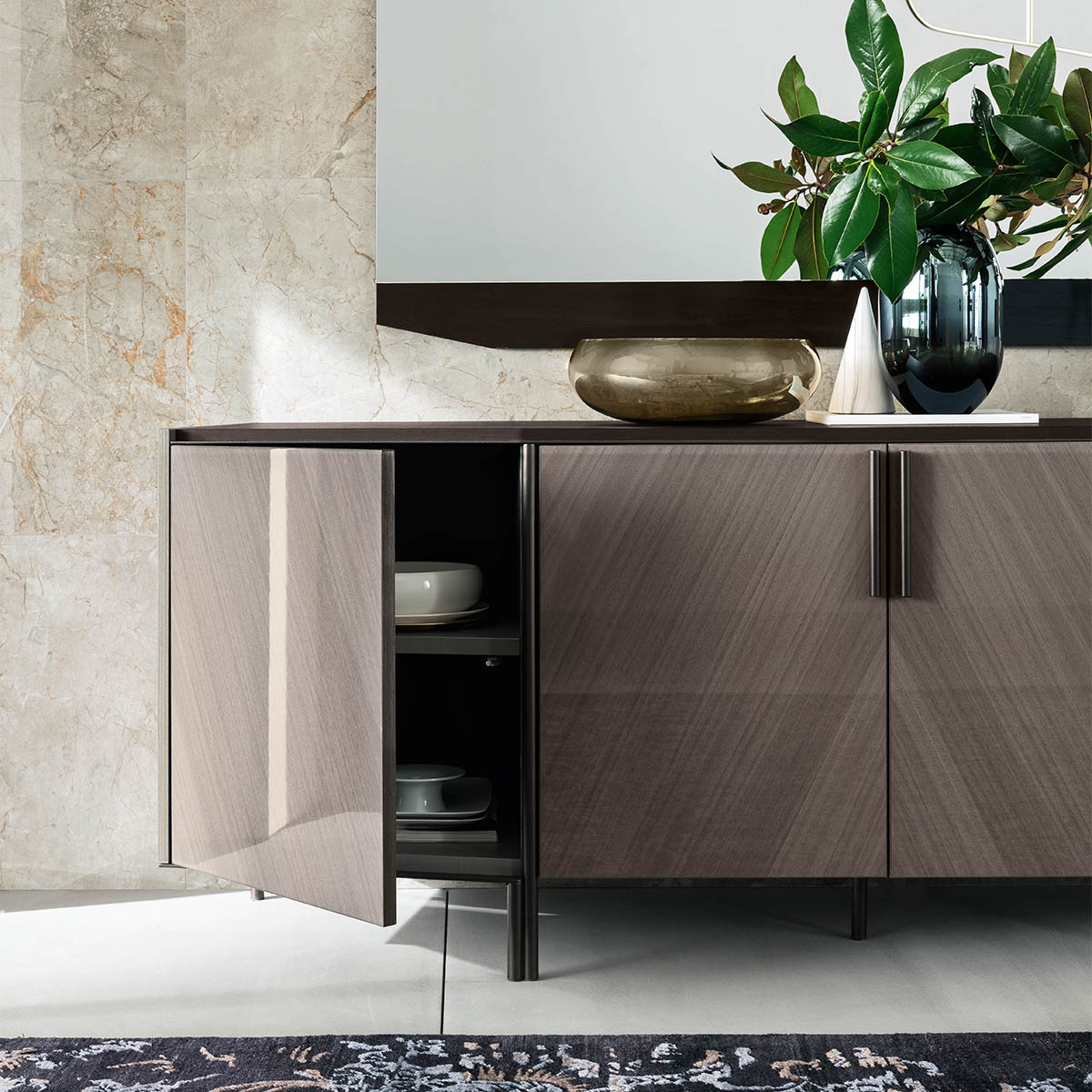
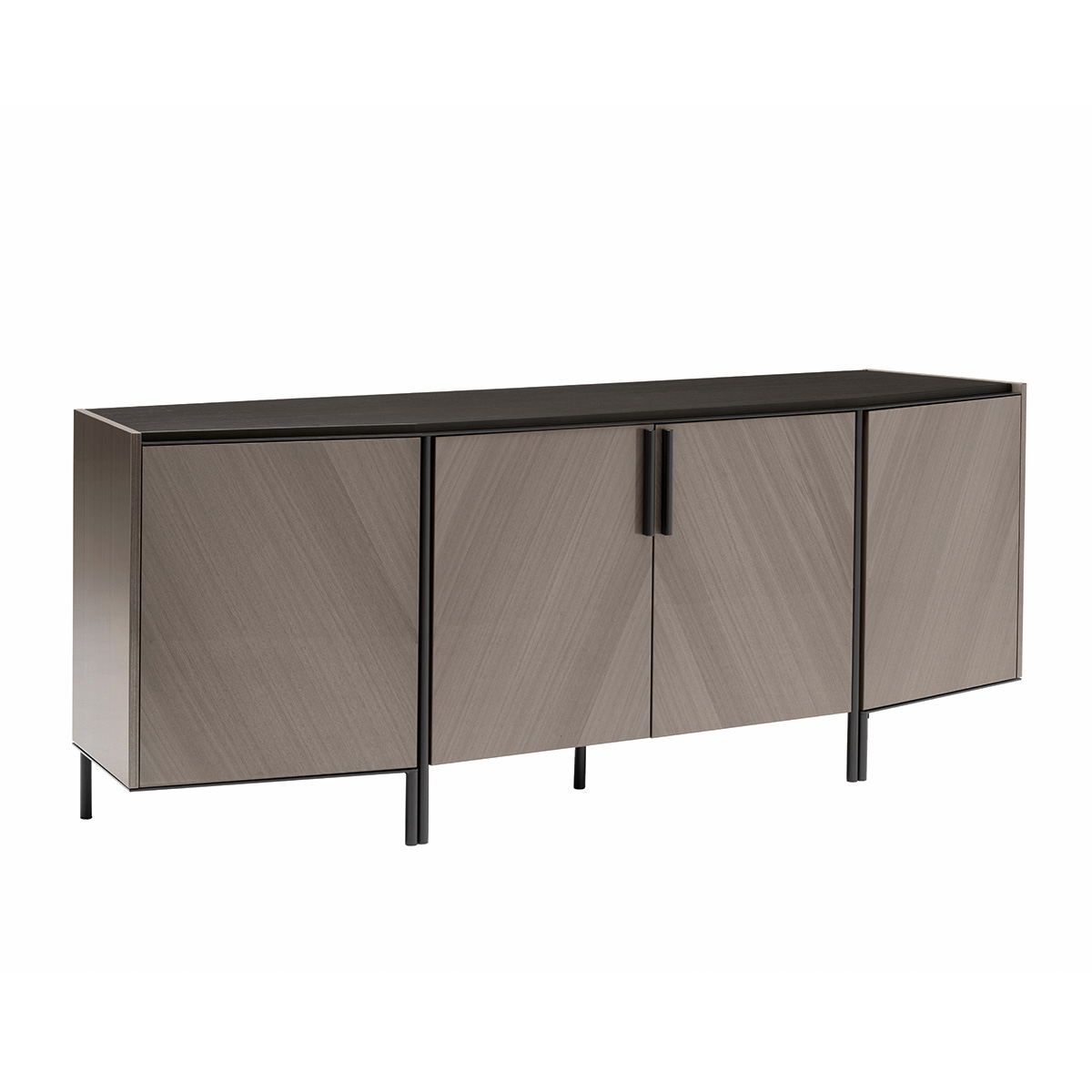
A sideboard, buffet or credenza is often the last piece chosen and the one that does the most quiet work, offering concealed storage for linen and serveware while acting as a landing spot for dishes during hosting. It need not match the table. In fact, a sideboard finished in a different tone to the table and chairs is one of the more reliable ways to achieve a cohesive dining room without visual monotony, provided the two share a family resemblance in material or hardware.
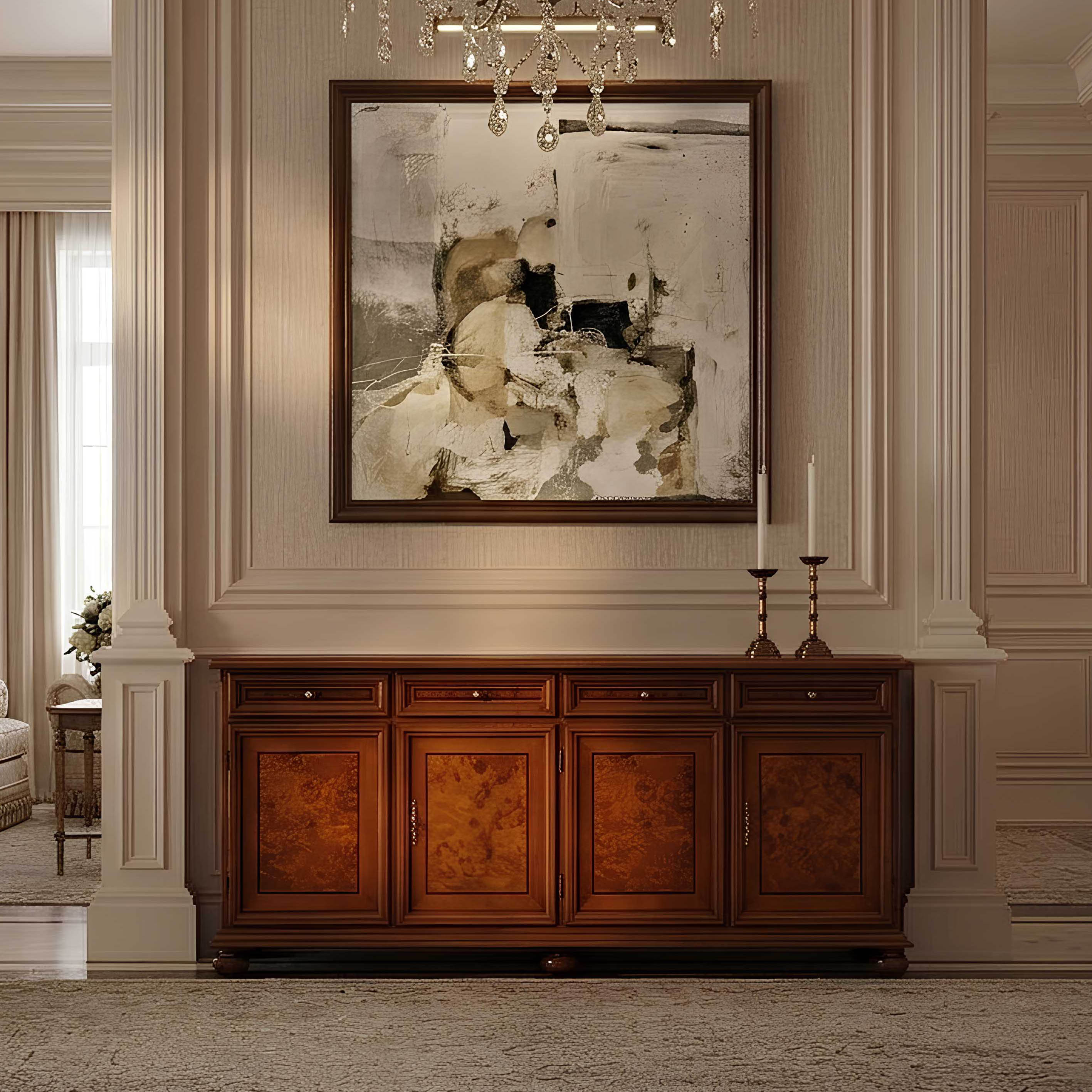
The 4-door sideboard by Scappini, in the same walnut finish as the Feast table, is the safest route to a matched, unified look for a formal dining room. For a livelier contrast, the Olimpia sideboard by ALF Italia, with its eucalyptus veneer and high-gloss finish, sits beautifully against a rounder, softer table and introduces a modern sheen without competing for attention.
Avoid the common Mistake
The most frequent mistake in furnishing a dining room is treating table, chairs and sideboard as three separate purchases rather than one composition. Mixing wood tones is entirely possible and often desirable, but it works only when one material, one colour temperature or one design era ties the pieces together.
If you are unsure where to begin, start with the table, since its scale and finish will govern every decision that follows, then let the chairs and sideboard respond to it rather than compete with it. That, more than any single product, is how to choose dining room furniture that still feels right for years of family dinners to come.
For further reading, explore our guides on how to choose furniture that will still feel right ten years from now, the beauty of materiality and craft in every piece and why luxury interiors are never overfurnished.
Featured collection







YOU MAY ALSO BE INTERESTED IN
YOU MAY ALSO BE INTERESTED IN